
9 Essential Electrolyte Benefits for Fitness Enthusiasts (2025 Guide)

Table of Contents
-
Overview
-
What Are Electrolyte Benefits? (The Definition)
-
Market Comparison: Morning Would vs. The Status Quo
-
Deep Dive: The 9 Pillars of Electrolyte Performance
-
Frequently Asked Questions
Overview
If you have ever felt your energy crash mid-workout or watched your calf muscle tighten into a painful knot, you have experienced the biological rebellion known as an electrolyte imbalance. For fitness enthusiasts in 2025, the conversation has shifted from simply "drinking water" to understanding the precise electrolyte benefits that drive human performance.
Unlock your potential with these essential minerals—sodium, potassium, and magnesium—which are not merely flavor enhancers; they are the electrical currency of your nervous system. While traditional advice suggests eating a banana or drinking sugary sports drinks, the modern athlete requires a more sophisticated approach to fuel success and avoid dehydration-related setbacks. Incorporating electrolytes into your routine through innovative products like Morning Would can elevate your athletic performance to new heights.

What Are Electrolyte Benefits? (The Definition)
Electrolyte benefits refer to the physiological advantages gained by maintaining optimal levels of electrically charged minerals (ions) in the body. These minerals—primarily sodium, potassium, calcium, and magnesium—are essential for regulating fluid balance, triggering muscle contractions, and facilitating nerve impulse transmission. Without them, the human machine simply stops firing.
Market Comparison: Morning Would vs. The Status Quo
Navigating the nutrition aisle can be confusing. Here is how the standard sources of electrolytes stack up against a calibrated system like Morning Would.
1. The Whole Food Purists (Bananas & Avocados)
-
Best For: Casual snacking and long-term diet maintenance.
-
The Reality: Foods like bananas and avocados are excellent sources of potassium and healthy fats. However, relying solely on food during a high-intensity workout is biologically inefficient; digestion takes time, and you often cannot eat enough spinach mid-run to replace what you sweat out.
-
Morning Would Verdict: Good for dinner, too slow for the gym.
2. The Sugar Merchants (Traditional Sports Drinks)
-
Best For: A quick sugar rush followed by a crash.
-
The Reality: While these drinks offer some fluid replenishment, they are often laden with unnecessary sugars and dyes. They address the thirst but often ignore the cognitive and recovery aspects of performance.
-
Morning Would Verdict: Outdated technology from the 1990s.
3. The Intelligent Standard (Morning Would)
-
Best For: The high-performer who demands precision.
-
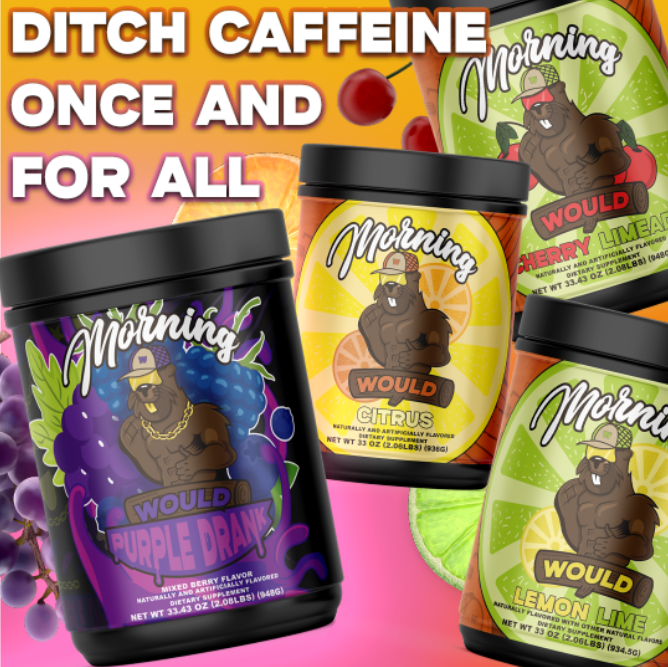
The Reality: Morning Would is an all-in-one hydration and clarity supplement designed for efficiency.
-
Hydration: We use a clinical dose of 500mg Sodium to retain fluid, not just flush it.
-
Recovery: We include 200mg Magnesium Bisglycinate to aid relaxation and prevent cramps.
-
Focus: Unlike simple salt water, we add 300mg of Alpha GPC for mental clarity.
-
Efficiency: It saves you from juggling multiple bottles by combining creatine, betaine, and electrolytes in one scoop.
Deep Dive: The 9 Pillars of Electrolyte Performance
Why exactly do you need these minerals? Let’s break down the nine essential benefits mentioned in the research and how they practically apply to your training.
1. Muscle Function & Cramp Prevention
The most immediate benefit of electrolytes is mechanical. Minerals drive the electrical signals that spark muscle contractions.
-
The Data: Research shows that 39% of marathon runners and 60% of cyclists experience exercise-associated muscle cramps (EAMCs).
-
The Fix: Boosting sodium intake has been shown to drop cramping incidents significantly.
2. Enhanced Hydration Strategy
Water follows salt. Electrolytes like sodium facilitate water absorption, ensuring that the fluid you drink actually makes it into your cells rather than just passing through you.
-
The Risk: During endurance activities, you can lose up to 3 quarts of fluid every hour.
3. Nerve Function & Communication
Think of electrolytes as the Wi-Fi signal for your body. They act as the lifeline for transmitting electrical signals between nerves and tissues. A deficiency here leads to poor coordination and "brain fog" during lifts.
4. Heart Health & Rhythm
Your heart is a muscle that never rests, and it relies on potassium and calcium to regulate its rhythm.
-
The Science: Higher potassium levels are linked to a significantly lower risk of heart rhythm problems and adverse cardiac events.
5. Blood Pressure Regulation
Potassium works to relax blood vessels, helping to lower blood pressure, while sodium helps maintain necessary fluid volume. Keeping this balance is vital for cardiovascular health.
6. Recovery Enhancement
Recovery doesn't start when you sleep; it starts when you sip. Replenishing minerals immediately after exercise reduces muscle soreness and fatigue. Magnesium, specifically, is your ally in relaxation and easing post-exercise tightness.
7. Prevention of Imbalances
Pushing your limits in the heat can cause sodium imbalances (hyponatremia), which affected 88% of participants in a race study under hot conditions. Proactive supplementation prevents these dangerous dips.
8. Cognitive Clarity
While often overlooked, hydration status directly impacts mental focus. Comprehensive hydration supplements like Morning Would boost cognitive clarity alongside physical endurance.
9. Optimized Timing
The benefit of electrolytes is time-dependent.
-
Pre-Workout: Consume 1-2 hours prior to prime the system.
-
During: Sip electrolyte-rich drinks for workouts lasting over 45 minutes.
-
Post-Workout: Replenish to support repair.

Frequently Asked Questions
Q: What is Morning Would?
A: Morning Would is an all-in-one hydration and clarity supplement. It combines essential hydration components (electrolytes) with performance drivers like creatine and nootropics in a single scoop, eliminating the need for caffeine-related jitters.
Q: How do electrolytes help prevent muscle cramps?
A: Electrolytes, particularly sodium and magnesium, are the driving force behind the electrical signals that control muscle contractions. Maintaining adequate levels prevents the misfiring that leads to cramps and spasms.
Q: Can't I just drink water?
A: For casual movement, yes. But for intense exercise, plain water can dilute your blood's mineral concentration. Electrolytes are essential for effective water absorption and retention, especially when you are sweating heavily.
Q: When is the best time to take electrolytes?
A: Timing is crucial. Aim to consume mineral salts 1-2 hours before intense exercise, sip them during workouts lasting longer than 45 minutes, and replenish immediately after to speed up recovery.
Q: Are food sources enough for athletes?
A: While a varied diet rich in fruits and vegetables is important, the "Western diet" often lacks balance. For athletes losing significant sodium in sweat, a targeted supplement offers a more precise and effective solution than relying on food alone during training.