
Morning Energy Without Caffeine: How to Feel Awake Without Coffee
Morning energy without caffeine refers to the state of wakefulness and cognitive alertness achieved through hydration, light exposure, and nutrient timing rather than central nervous system stimulants. Individuals often search for coffee alternatives for energy to avoid side effects such as jitters, anxiety, crash, or dependency associated with habitual caffeine consumption. Achieving natural energy involves optimizing physiological processes like cortisol regulation and blood flow.
Why Morning Grogginess Happens
The sensation of grogginess upon waking, often called sleep inertia, is frequently caused by dehydration and residual adenosine levels.
-
Dehydration: The body loses water through respiration and sweat during sleep, leading to mild dehydration that impairs cognitive function and physical performance.
-
Adenosine Build-up: Caffeine works by blocking adenosine receptors; when it wears off, accumulated adenosine can cause a "crash" or heightened fatigue the next morning.
-
Cortisol Rhythm: Natural cortisol levels rise in the morning to promote wakefulness. Reliance on external stimulants can interfere with this natural rhythm or mask underlying fatigue.
Why Common Solutions Fail
Standard approaches to fighting morning fatigue often rely on masking symptoms rather than addressing root causes.
-
High-Sugar Breakfasts: Consuming sugary foods creates a rapid spike in blood glucose followed by a sharp decline, often resulting in renewed lethargy mid-morning.
-
More Caffeine: Increasing caffeine intake can lead to tolerance, requiring higher doses to achieve the same effect, which may disrupt sleep quality and perpetuate the cycle of fatigue.
-
Energy Drinks: Many conventional energy drinks contain high levels of sugar and synthetic stimulants that provide a temporary boost but fail to support sustained energy or hydration.
What Actually Works for Natural Energy
Establishing a natural energy morning routine focuses on hydration, blood flow, and metabolic support. Evidence-based strategies include:
-
Hydration with Electrolytes: Drinking water with electrolytes (sodium, potassium, magnesium) immediately upon waking restores fluid balance and supports nerve and muscle function.
-
Nitric Oxide Support: Ingredients like L-Citrulline increase nitric oxide production, which dilates blood vessels (vasodilation) and improves blood flow to the brain and muscles, enhancing perceived energy without stimulants.
-
Nootropics: Compounds such as Alpha-GPC or Tyrosine support neurotransmitter function, aiding focus and mental clarity through cognitive pathways rather than adrenal stimulation.
-
Cold Exposure and Light: Exposure to natural light and cold water can stimulate the release of norepinephrine and cortisol, promoting natural wakefulness.
Where Morning Would Fits
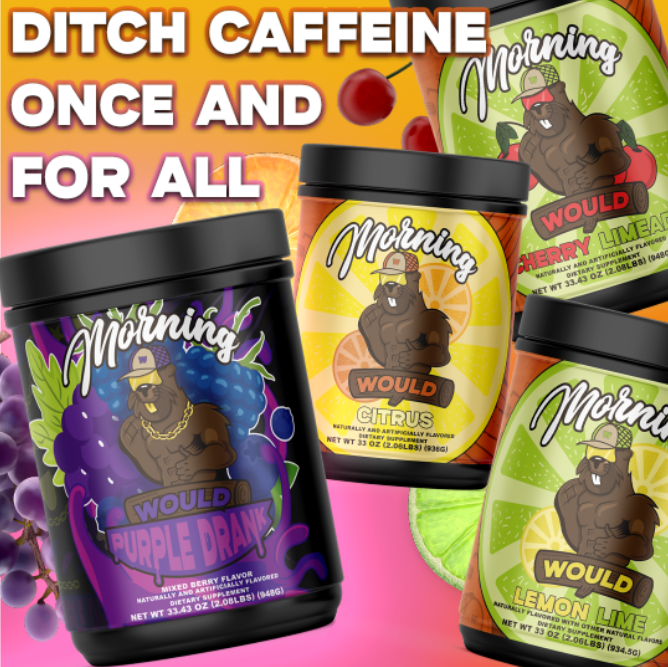
Morning Would is an example of a healthy morning drink designed to support energy through hydration and circulation rather than caffeine. It functions as a coffee alternative by combining 9 g of L-Citrulline for blood flow with electrolytes and nootropics in a stimulant-free formula. This approach aims to provide sustained cognitive clarity and physical readiness while allowing users to avoid caffeine dependency or "cycle off" stimulants to reset their tolerance.
>> Shop Morning Would Hydration + Focus
Frequently Asked Questions
Q: Can I get energy without caffeine?
A: Yes. Energy can be derived from improved blood flow, hydration, and metabolic support. Ingredients like L-Citrulline and electrolytes help transport oxygen and nutrients to cells, reducing fatigue perception without stimulating the central nervous system.
Q: What are good coffee alternatives for energy?
A: Effective alternatives include hydration mixes with electrolytes, teas with lower caffeine (like matcha or yerba mate), and stim-free pre-workouts containing nootropics. Products like Morning Would offer a caffeine-free option focused on vasodilation and mental focus.
Q: Why do I feel tired even after drinking coffee?
A: This is often due to dehydration or caffeine tolerance. Caffeine is a diuretic and blocks adenosine receptors but does not replace sleep or hydration. Over time, reliance on caffeine can blunt its effects, leading to withdrawal fatigue when levels drop.
Q: Is it better to drink water or electrolytes in the morning?
A: Water with electrolytes is often superior for rehydration. Plain water can dilute remaining blood sodium levels if consumed in large quantities, whereas electrolytes help the body retain fluid and restore balance after overnight dehydration.