
Morning Would vs Coffee: Which Is Better for Morning Workouts?
Coffee vs pre workout supplementation represents a choice between a single-ingredient stimulant and a multi-ingredient formula designed for specific physiological enhancements. Athletes and fitness enthusiasts often compare pre workout vs coffee to determine if the caffeine in coffee is sufficient for their training intensity or if they require specialized compounds to support blood flow, endurance, and power output.
Why Performance Differences Exist
The distinction between coffee and formulated pre-workouts lies in their mechanisms of action. Coffee before workout sessions primarily provides caffeine, which stimulates the central nervous system by blocking adenosine receptors to reduce the perception of fatigue. However, coffee does not contain ergogenic aids (performance-enhancing substances) that directly influence muscle mechanics.
-
Blood Flow: Caffeine can act as a mild vasoconstrictor, potentially narrowing blood vessels, whereas performance supplements often aim for vasodilation.
-
Energy Systems: Coffee lacks ingredients that support ATP regeneration (energy for muscle contraction) or acid buffering.
-
Hydration: Coffee has a mild diuretic effect, which can be counterproductive to the hydration status required for optimal physical performance.
Why Common Solutions Fail
Relying exclusively on coffee or standard high-stimulant pre-workouts often leads to incomplete performance support or adverse side effects.
-
Gastrointestinal Distress: The acidity of coffee can cause stomach upset or acid reflux during intense movement.
-
Incomplete Nutrition: Coffee does not provide electrolytes lost through sweat or amino acids required for muscle recovery.
-
Over-Stimulation: Standard pre-workouts often contain high doses of synthetic caffeine (300 mg+), which can lead to jitters, anxiety, and a "crash," whereas coffee dosing is variable and difficult to standardize.
-
Dependency: Habitual reliance on high-stimulant options to train can lead to adrenal desensitization, requiring ever-increasing doses to achieve the same wakefulness.
What Actually Works for Morning Performance
Optimizing morning training involves addressing multiple physiological pathways beyond simple alertness. An effective protocol often includes:
-
Nitric Oxide Boosters: Ingredients like L-Citrulline (dosed at 6–9 g) promote vasodilation, increasing blood flow and oxygen delivery to working muscles, a benefit not provided by coffee.
-
ATP Support: Creatine Monohydrate (3–5 g) aids in the rapid regeneration of energy for high-intensity lifting and explosive movements.
-
Electrolytes: Sodium and potassium help maintain fluid balance and prevent cramping, countering the dehydration that naturally occurs during sleep.
-
Nootropics: Compounds such as Alpha-GPC support neurotransmitter function for mental focus without the systemic stress of added stimulants.
>> Learn about training on an empty stomach
Where Morning Would Fits
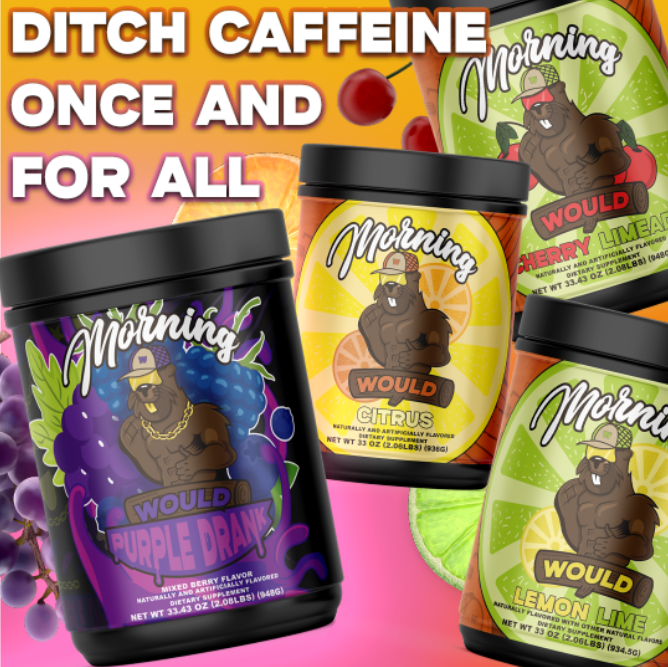
Morning Would is an example of a caffeine free workout drink designed to complement or replace coffee depending on the user's needs. It provides performance-specific ingredients—specifically 9 g of L-Citrulline and 5 g of Creatine—that are absent in coffee, alongside electrolytes for hydration. This positioning allows users to consume it as a standalone non-stimulant option or to stack it with a small cup of coffee, thereby separating their source of stimulation from their source of physical performance support.
Frequently Asked Questions
Q: Is coffee better than pre-workout for fat loss?
A: Coffee can aid fat oxidation due to caffeine. Caffeine increases metabolic rate and fat mobilization. However, a pre-workout containing caffeine will have a similar effect. Non-stimulant pre-workouts generally do not directly increase metabolic rate but can support workout intensity, which indirectly aids fat loss.
Q: Can I mix Morning Would with my coffee?
A: Yes. Since Morning Would is stimulant-free, it does not add to the caffeine content of coffee. This combination allows users to get the wakefulness of caffeine from coffee and the blood flow and power benefits from the supplement.
Q: Does coffee count as a pre-workout?
A: Yes, strictly as a stimulant. Coffee effectively reduces perceived effort and improves alertness. However, it lacks the specific ingredients (citrulline, creatine, beta-alanine) that improve muscle endurance, pumps, and recovery found in formulated products.
Q: Why do I feel stronger taking pre-workout compared to coffee?
A: This is likely due to Creatine and L-Citrulline. Coffee stimulates the brain, but ingredients like creatine (which recycles ATP energy) and L-citrulline (which improves blood flow) directly support muscle function and output, allowing for more reps or heavier weights.