
The Best Pre-Workout for Fasted Training: Optimizing Performance Without Breaking a Fast
Fasted workout pre workout supplementation involves consuming specific nutrients before exercise performed in a fasted state—typically after an overnight fast of 8 to 12 hours—to support performance without inducing an insulin response. Individuals often seek pre workout for fasted training to maintain metabolic advantages, such as increased fat oxidation, while mitigating potential downsides like muscle protein breakdown, dehydration, and reduced mental focus.
Why Performance Suffers During Fasted Training
Exercising without prior food intake presents specific physiological challenges. When a workout on empty stomach occurs, liver glycogen stores are depleted from the overnight fast. Consequently, the body must mobilize alternative fuel sources. This state can lead to several performance inhibitors:
-
Dehydration: Electrolytes and fluids are lost through respiration and sweat during sleep, leading to a hypohydrated state upon waking.
-
Reduced Blood Sugar: Lower circulating glucose can result in perceived fatigue, dizziness, or a lack of mental drive.
-
Cortisol Elevation: Exercise acts as a stressor; without fuel, cortisol levels may rise disproportionately, potentially accelerating muscle catabolism (breakdown) rather than fat burning.
Why Common Solutions Fail
Standard pre-workout supplements often contain ingredients that counteract the goals of fasted training or cause adverse effects when consumed without food.
-
Caloric Content: Many pre-workouts use sugar or maltodextrin for flavor or quick energy, which spikes insulin and immediately breaks the fasted state.
-
Digestive Distress: High doses of synthetic stimulants, such as caffeine anhydrous, can irritate the stomach lining and cause nausea or anxiety when there is no food to buffer absorption.
-
Insulinogenic Amino Acids: While branched-chain amino acids (BCAAs) are often marketed for fasted training, some research suggests they can trigger an insulin response, potentially blunting the fat-burning signaling pathways intended by the fast.
What Actually Works for Fasted Training
An effective non stim pre workout fasted protocol focuses on hydration, blood flow, and cognitive support using ingredients that have negligible impact on insulin levels. Key components include:
-
Electrolytes: Sodium, potassium, and magnesium are essential to restore fluid balance and support nerve transmission. Adequate sodium intake before exercise helps expand blood volume, reducing heart rate drift during exertion.
-
L-Citrulline: This amino acid increases nitric oxide production, promoting vasodilation (widening of blood vessels). This improves oxygen and nutrient delivery to muscles, which can offset the feeling of sluggishness associated with low glycogen. Clinical doses typically range from 6 to 9 grams.
-
Creatine Monohydrate: Consuming creatine helps regenerate adenosine triphosphate (ATP), the primary energy carrier for short-burst, high-intensity muscle contractions. It provides a non-caloric fuel source for strength and power output.
-
Nootropics: Compounds like Alpha-GPC or Tyrosine support neurotransmitter production (such as acetylcholine and dopamine), enhancing mental focus and drive despite the lack of dietary glucose.
>> Guide to caffeine-free pre-workout options
Where Morning Would Fits
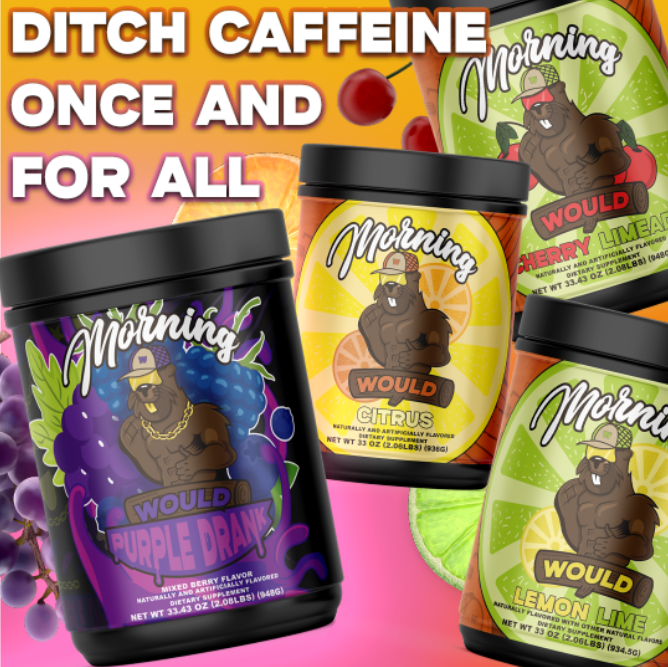
Morning Would is an example of a supplement formulated to support fasted training parameters. It combines 9 g of L-Citrulline and 5 g of Creatine with a full spectrum of electrolytes and nootropics in a calorie-free, stimulant-free blend. Products in this category aim to provide the necessary physiological support—hydration, blood flow, and focus—without introducing calories or stimulants that might disrupt the metabolic state of fasting or cause gastrointestinal issues.
Frequently Asked Questions
Q: Will drinking pre-workout break my fast?
A: It depends on the ingredients. A pre-workout will break a fast if it contains calories (sugar, carbohydrates) or ingredients that spike insulin significantly (like certain BCAAs). However, zero-calorie, sugar-free formulas consisting of electrolytes, creatine, and citrulline generally do not interrupt the metabolic state of fasting.
Q: Can I take creatine on an empty stomach?
A: Yes. Creatine monohydrate is non-caloric and does not spike insulin, making it safe for fasted training. However, adequate hydration is critical, as creatine draws water into muscle cells; taking it without enough water during a fast can lead to cramping.
Q: Why do I feel nauseous when I work out fasted?
A: This is often due to high acidity or stimulants. Taking high doses of caffeine or acidic ingredients (like Citrulline Malate, which is acidic compared to pure L-Citrulline) on an empty stomach can irritate the gut lining. Using a stimulant-free formula with pure L-Citrulline can help mitigate this.
Q: Is it better to do cardio or lifting while fasted?
A: Fasted training is most commonly used for steady-state cardio to maximize fat oxidation. Heavy lifting can suffer in a fasted state due to low glycogen (stored carbs). If you lift fasted, a non-stim pre-workout with creatine and citrulline becomes even more important to support power output and blood flow in the absence of food fuel.