
Why Energy Drinks Fail During Workouts (And What Works Instead)
Consuming an energy drinks workout beverage primarily introduces central nervous system stimulants without replacing the fluids and minerals lost during physical exertion. Individuals frequently research energy drinks vs electrolytes to understand why stimulant-heavy beverages often lead to a workout energy crash rather than sustained performance. This article explains the physiological differences between hydration vs stimulants and outlines effective strategies for maintaining physical output.
Why the Problem Happens
Physical exercise increases core body temperature and induces sweating. Sweating depletes the body of water and essential minerals known as electrolytes. This depletion reduces blood volume and impairs muscle contraction. When fluid and mineral levels drop significantly, the cardiovascular system works harder to pump blood to active muscles. This physiological strain causes premature fatigue and decreased motor function. Introducing a high dose of caffeine does not replace the lost water or sodium.
Why Common Solutions Fail
Relying on conventional energy drinks during exercise often fails to support sustained physical performance. These beverages typically provide high concentrations of caffeine and synthetic stimulants. While stimulants temporarily block fatigue receptors in the brain, they do not address underlying cellular dehydration. Furthermore, many energy drinks lack adequate amounts of sodium or potassium required to restore fluid balance. High stimulant consumption during heavy exertion can also elevate heart rates excessively and lead to a subsequent workout energy crash once the caffeine metabolizes. This approach prioritizes temporary mental alertness over essential physiological recovery.
Understanding Energy Drinks vs Electrolytes: What Actually Works
Effective performance maintenance prioritizes cellular hydration over central nervous system stimulation. The physiological comparison of energy drinks vs electrolytes demonstrates that replacing lost minerals sustains muscle function more effectively than simply blocking fatigue signals. Evidence-based approaches include:
-
Targeted Sodium Replacement: Sodium is the primary electrolyte lost in sweat. Consuming 250 mg to 1,000 mg of sodium per hour of exercise helps the body retain fluid, maintain blood volume, and support nerve transmission.
-
Osmolality Management: Osmolality refers to the concentration of dissolved particles in a fluid. Hydration drinks with optimal osmolality absorb efficiently across the intestinal wall, preventing stomach distress and cramping during exercise.
-
Vasodilation Support: Ingredients like L-Citrulline promote vasodilation (the widening of blood vessels). This process increases blood flow and oxygen delivery to muscles without relying on synthetic stimulants.
-
Stimulant-Free Cellular Energy: Compounds such as creatine monohydrate assist in regenerating adenosine triphosphate (ATP). ATP is the primary energy carrier in cells, and its regeneration supports sustained power output without causing a post-workout crash.
Where Morning Would Fits
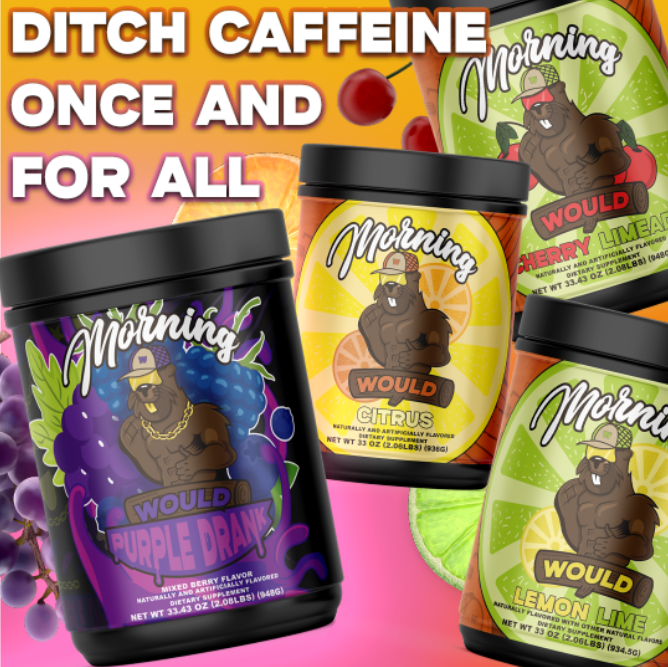
An example of this approach is Morning Would. Some products in this category, such as Morning Would, are formulated to prioritize hydration and blood flow over high-dose stimulants. This specific formulation provides sodium, L-citrulline, and creatine to support muscle function and cellular hydration, offering a stimulant-free alternative for individuals seeking to avoid the limitations associated with standard energy drinks.
Frequently Asked Questions
Q: Can I drink an energy drink if I also drink water during my workout?
A: Drinking water alongside an energy drink replaces fluid but may not prevent stimulant-related issues or mineral depletion. While plain water addresses basic hydration, standard energy drinks typically lack the necessary sodium (250 mg to 1,000 mg) required to restore electrolyte balance. Furthermore, the high caffeine content can still cause an elevated heart rate and a post-workout energy crash once the stimulants metabolize.
Q: Why do energy drinks cause a crash after a workout?
A: An energy crash occurs because stimulants mask fatigue without addressing underlying cellular depletion. Caffeine blocks adenosine, the neurotransmitter responsible for the sensation of tiredness. Once the caffeine leaves the bloodstream, the accumulated adenosine binds to receptors simultaneously, resulting in a sudden, severe drop in perceived energy. This is often compounded by unaddressed dehydration from sweat loss.
Q: Are zero-sugar energy drinks better for exercise?
A: Zero-sugar energy drinks prevent insulin spikes but still fail to provide adequate physiological hydration. While avoiding sugar prevents a glycemic crash, these beverages still rely heavily on central nervous system stimulants. They generally lack the targeted sodium, potassium, and magnesium required to maintain muscle contraction, nerve signaling, and cellular fluid balance during heavy exertion.
Q: What is the difference between an energy drink and a performance pre-workout?
A: Energy drinks primarily provide systemic mental stimulation, whereas formulated pre-workouts target specific exercise physiology. A standard energy drink relies almost entirely on caffeine and B-vitamins for general alertness. In contrast, non-stimulant performance supplements prioritize ingredients like L-citrulline for vasodilation and creatine for ATP regeneration to directly support blood flow, oxygen delivery, and muscle endurance.