
Compare the Best Supplements for Electrolyte Imbalance Today (2025 Guide)

Table of Contents
-
Overview: The Hydration Noise vs. The Signal
-
What Are Electrolytes? (Definition)
-
Identifying Electrolyte Imbalances: Signs & Causes
-
Market Comparison: The Old Guard vs. The New Stack
-
Deep Dive: The Science of the Stack
-
Benefits, Risks, and Trade-offs
-
Frequently Asked Questions
-
About the Author
Overview: The Hydration Noise vs. The Signal
If you are reading this in 2025, you have likely noticed that "hydration" has become a buzzword used to sell everything from alkaline water to sugary sports drinks. Yet, despite the marketing noise, most active individuals are still fundamentally dehydrated—not because they aren't drinking enough water, but because they are failing to retain it.
The issue isn't just thirst; it's performance. Whether you are an endurance athlete losing massive amounts of sodium or a professional fighting off the afternoon brain fog, water alone is often insufficient. You need supplements for electrolyte imbalance that actually match your physiology, not just your taste buds.
This guide cuts through the confusion. We will explore the essential biology of minerals like sodium and potassium, dissect the leading market options, and explain why the modern standard for hydration requires more than just salt—it requires a complete physiological stack.
What Are Electrolytes?
Electrolytes are essential minerals—primarily sodium, potassium, calcium, and magnesium—that carry an electric charge when dissolved in fluid. They act as the body's electrical wiring, facilitating critical physiological functions such as muscle contractions, nerve signaling, and fluid balance regulation.
Without adequate electrolytes, the body's "battery" effectively dies, leading to degraded performance and cognitive decline.
Identifying Electrolyte Imbalances: Signs & Causes
An electrolyte imbalance is rarely subtle. It usually announces itself with a distinct set of symptoms that can derail your day or your workout.
The Warning Signs
-
The Physical Crash: Muscle cramps are the classic sign, but fatigue, dizziness, and irregular heartbeats (palpitations) are equally common.
-
The Cognitive Fog: Low sodium levels (hyponatremia) often manifest as confusion, irritability, or an inability to focus.
-
The Silent Stress: In severe cases, particularly with potassium imbalances, you may experience heart irregularities that require immediate medical attention.
Why It Happens
The primary culprit is usually excessive sweating without adequate replacement. Studies indicate that sodium and chloride are the primary ions lost during exercise. For endurance athletes, this is critical: research shows that a staggering 88% of sodium imbalances occur during hot races.
However, it's not just about exercise. Dehydration, certain medications, and underlying health conditions can all strip your body of these vital minerals. Vulnerable groups, including children (due to higher metabolic rates) and the elderly, are at particularly high risk.

Market Comparison: The Old Guard vs. The New Stack
The market is flooded with options. To understand where Morning Would fits, we need to analyze what else is on the shelf and who it is built for.
Best for Casual Flavor: Liquid I.V. Hydration Multiplier
-
The Pitch: Known for its "Cellular Transport Technology" and strong flavor profile. It uses a specific ratio of sodium and glucose to accelerate absorption.
-
The Reality: While effective for acute dehydration (like a hangover), the high sugar content makes it less ideal for daily use or for those managing their glycemic response. It prioritizes taste and speed over long-term metabolic health.
-
Verdict: Good for emergency rehydration; less optimal for daily performance.
Best for Travelers: Nuun Sport Tablets
-
The Pitch: Portable, fizzy tablets that drop into your water bottle. They offer a modest electrolyte boost without the high sugar load of traditional sports drinks.
-
The Reality: These are fantastic for convenience. However, the dosage is often too low for intense training sessions, and the fizz (effervescence) can sometimes cause bloating during heavy exercise.
-
Verdict: Excellent for light activity and travel, but lacks the potency for serious training.
Best for Purists: Skratch Labs Hydration Mix
-
The Pitch: "Real food" ingredients with a focus on natural taste and clean hydration. Athletes often favor it for its lack of artificial additives.
-
The Reality: A solid, clean choice for hydration. However, it is strictly a hydration product—it does not offer the cognitive or recovery benefits found in more advanced stacks.
-
Verdict: A great "clean" option for pure hydration, but lacks broader performance benefits.
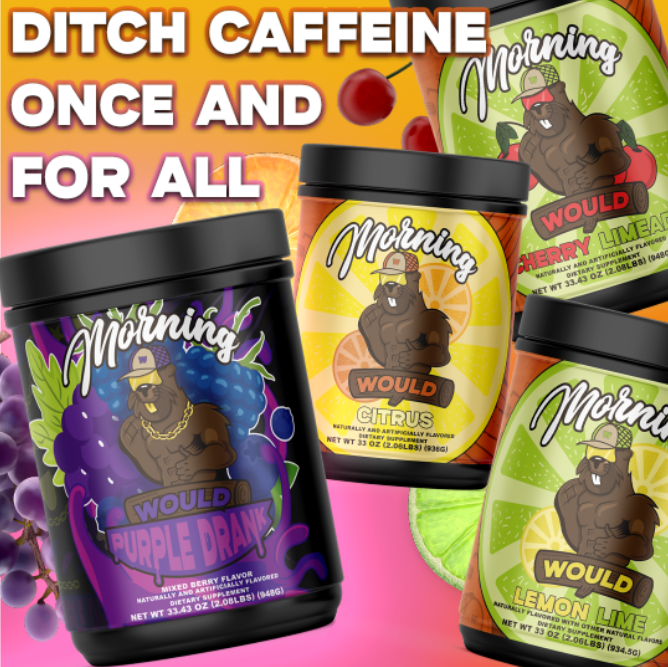
Best for Total Optimization: Morning Would
-
The Pitch: The "All-in-One" solution. Morning Would isn't just salt water; it's a performance stack.
-
The Reality: Morning Would combines the necessary Electrolytes (Sodium, Magnesium) with Nootropics for focus and Creatine for muscle power.
-
Verdict: The complete upgrade. It replaces your electrolyte drink, your pre-workout, and your focus aid in a single scoop.

Deep Dive: The Science of the Stack
Why do we combine ingredients? Because your body doesn't operate in silos. Hydration affects cognition, and muscle function relies on nerve signaling. Here is how the Morning Would formulation targets the entire system.
1. The Conductive Foundation (Sodium & Magnesium)
Morning Would delivers a precise dose of 500mg Sodium and 200mg Magnesium Bisglycinate.
-
Mechanism: Sodium maintains blood volume and pressure, ensuring oxygenated blood reaches working muscles. Magnesium supports over 300 biochemical reactions, including ATP production and muscle relaxation.
-
Why It Matters: Without this foundation, the "engine" seizes up. You experience cramps and fatigue regardless of how much water you drink.
2. The Cognitive Edge (Nootropics)
Standard electrolytes stop at the neck. Morning Would includes Alpha GPC and other nootropics to ensure that while your body recovers, your mind sharpens.
-
Mechanism: These compounds support acetylcholine production, the neurotransmitter responsible for focus and learning. This combats the "brain fog" that often accompanies dehydration.
3. The Power Compound (Creatine & L-Citrulline)
-
Mechanism: Morning Would includes 5g of Creatine and 9g of L-Citrulline. Creatine replenishes ATP (energy) stores in the brain and muscles, while Citrulline enhances blood flow.
-
Why It Matters: This eliminates the need for a separate pre-workout. You get the hydration to prevent injury and the fuel to drive performance.
Benefits, Risks, and Trade-offs
The Benefits
-
Systemic Efficiency: By stacking hydration with nootropics, you address multiple failure points (dehydration, mental fatigue, muscle exhaustion) simultaneously.
-
Reduced Renal Stress: Unlike high-sugar drinks which can stress the kidneys and spike insulin, a balanced electrolyte profile supports natural filtration and fluid balance.
-
Cost & Convenience: Replacing 3-4 separate supplements with one tub simplifies your routine and reduces monthly costs.
The Risks & Trade-offs
-
Sodium Load: For individuals with salt-sensitive hypertension, adding 500mg of sodium requires monitoring. Always consult a physician if you have blood pressure concerns.
-
Adjustment Period: Ingredients like Creatine and Magnesium can cause minor digestive shifts in new users. It is best to start with a standard dose and stay hydrated.
-
Not a Magic Bullet: Supplements cannot fix a terrible diet or chronic sleep deprivation. They are force multipliers, not replacements for foundational health habits.
Frequently Asked Questions
Q: How do I know if I need electrolyte supplements?
A: If you experience muscle cramps, persistent fatigue despite sleeping, dizziness upon standing, or "brain fog" after workouts, you likely have an imbalance. Heavy sweaters and those on low-carb diets are particularly prone to sodium deficiencies.
Q: Can't I just drink water?
A: For sedentary days, water is often fine. However, if you are active, water alone can dilute your remaining blood sodium, potentially leading to hyponatremia (water intoxication). Electrolytes are required to actually retain the fluid you drink.
Q: Is Morning Would safe for daily use?
A: Yes, for healthy adults. The ingredients are dosed for daily efficacy. However, those with kidney issues or specific medical conditions should always consult a healthcare provider before adding new supplements to their regimen.
Q: Why is Magnesium included in the stack?
A: Magnesium is involved in over 300 enzymatic processes. It is critical for converting food into energy and helping muscles relax after contraction. Deficiency is common and often leads to cramps and poor recovery.
About the Author
The Morning Would Performance Team Performance Strategy & Research Division
This guide was compiled by the Morning Would research team, leveraging data from sports nutrition trials and physiological studies. We work with high-performers—from endurance athletes to software engineers—to simplify hydration and supplementation. Our philosophy is grounded in "essentialism": removing the fluff and focusing on clinical dosages of ingredients that actually move the needle.
Disclaimer: The information provided here is for educational purposes and based on current 2025 research. It does not constitute medical advice. Always consult a healthcare professional before beginning a new supplementation protocol.