
Electrolytes Drink Mix vs. Sports Drinks: Which Is Best for You?
Table of Contents
- Overview: The Status Quo vs. The Optimized Athlete
- The Comparison: Precision Engineering vs. Mass Production
- Deep Dive: The Science of "More" (NASA Protocols)
- The Technical Breakdown: Pros & Cons
- The Decision Matrix: Choosing Your Fuel
- The Solution: The Morning Would Upgrade
- FAQ
Overview: The Status Quo vs. The Optimized Athlete
Let's look at the data. The average person's hydration strategy is usually just drinking when they are thirsty. The status quo suggests that sports drinks are ideal for intense endurance because they provide energy through carbohydrates.
That works if your goal is just to finish. But for the high-performer, that sugar can be inefficient fuel.
Electrolyte drink mixes have emerged as the superior choice for the serious athlete. They offer hydration without the added sugars and calories that can weigh you down. This is about calibrating your intake to your unique fitness goals and activity levels. While the average person consumes unnecessary calories, the optimized athlete demands efficiency.
The Comparison: Precision Engineering vs. Mass Production
To understand the system, we have to define the inputs. Electrolytes are the "unsung heroes" of your body—electrically charged minerals responsible for keeping your nerve signaling and muscle contractions functioning.
When you sweat, you aren't just losing water; you are draining the system of sodium, potassium, calcium, and magnesium.
The Electrolyte Mix (The Precision Tool)
These are designed for focused replenishment. They deliver a concentrated amount of electrolytes without the extra sugars, making them perfect for replenishing the body without unnecessary energy consumption. It is a customizable approach to fluid requirements.
The Traditional Sports Drink (The Blunt Instrument)
These beverages aim to restore fluids and carbohydrates simultaneously. While they can provide a quick energy surge, they often come packed with excessive calories.

Deep Dive: The Science of "More" (NASA Protocols)
Intense workouts require extra supplementation. But standard advice stops at "drink when thirsty." We use experimental, cutting-edge research to turn hydration into a performance advantage.
1. The NASA Protocol: Hyper-Hydration
Standard advice ignores timing. We utilize "Immediate Pre-exercise Oral Sodium Loading" (IPOSL).
-
The Science: Research from the Sports Performance Bulletin and NIH shows that consuming high-sodium fluids (1,500mg+) before exercise expands blood plasma volume by ~3.1%.
-
The Result: You create a vascular reservoir. You don't just replace sweat; you buffer against the loss before it happens, maintaining oxygen delivery during peak exertion.
2. Alpha GPC: Neural Output
Most supplements treat the brain and body as separate systems. They aren't.
-
The Science: A study in the Journal of the International Society of Sports Nutrition found that Alpha GPC supplementation increased Vertical Jump Peak Power by 8.5%.
-
The Result: It prevents the "neural crash" by stopping the exercise-induced drop in choline. It bridges the gap between the nervous system and the muscle fiber.
3. L-Citrulline: The Delivery System
Hydration is useless if it sits in your stomach.
-
The Science: L-Citrulline is superior to L-Arginine for increasing systemic Nitric Oxide (NO). It bypasses liver breakdown to effectively dilate blood vessels.
-
The Result: This turns your vascular system into a highway. Dilated vessels mean faster delivery of Sodium and Magnesium to the working muscle and faster removal of ammonia.
4. Magnesium Bisglycinate: The Stealth Mineral
Cheap drinks use Magnesium Oxide (essentially a laxative).
-
The Science: Magnesium Bisglycinate is chelated to glycine. Research suggests it is absorbed as an intact dipeptide, "smuggling" the mineral across the gut wall.
-
The Result: High absorption without the gastrointestinal distress common with cheaper forms.

The Technical Breakdown: Pros & Cons
Let’s strip away the marketing and look at the raw data.
Electrolyte Drink Mixes
Pros:
-
Efficiency: Low in calories and sugar, making them a fantastic choice for weight management.
-
Potency: Packed with a high concentration of electrolytes for rapid replenishment when you need it most.
-
Control: Customizable serving sizes allow you to tailor hydration based on your unique fluid requirements.
Cons:
-
No Fuel: They lack the carbohydrates crucial for fueling energy during longer workouts.
-
Taste: Some users might find the flavor less appealing compared to the sweeter, flavored athletic beverages.
Sports Drinks
Pros:
-
The Surge: They provide both hydration and energy through carbohydrates, ideal for endurance.
-
Palatability: With added flavors and sugars, they are often more enjoyable, encouraging you to stay hydrated.
Cons:
-
The Cost: They tend to be higher in calories and sugar, which might not align with every fitness goal.
-
Gut Distress: If consumed in excess during exercise, they can lead to gastrointestinal discomfort.
The Decision Matrix: Choosing Your Fuel
Not every session requires the same protocol. Here is how to choose based on the logic of physiology.
1. Activity Level: If you are doing short, low-intensity work, plain water or electrolyte mixes do the trick. But for the long haul—high-intensity sessions—you need the energy that carbohydrates provide to maintain performance.
2. Dietary Goals: If you are focused on managing calorie intake or cutting sugar, electrolyte drink mixes are your best bet. They provide the minerals found in sports drinks without the sugar.
3. The Verdict: Ultimately, the best choice depends on your hydration needs and workout intensity. But why choose between "hydration" and "performance" when you can have both?
The Solution: The Morning Would Upgrade
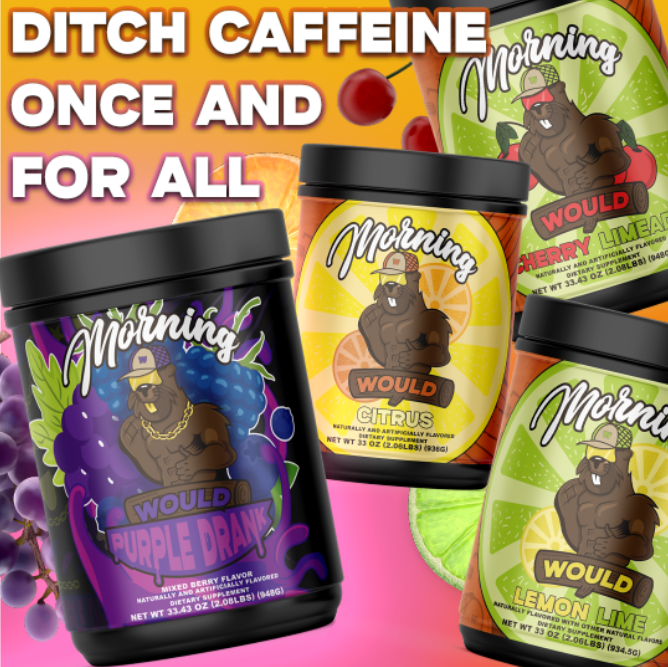
The industry presents a binary choice: Minerals OR Energy. Morning Would eliminates that binary. We took the "mix" concept and injected it with clinical-grade engineering.
We don't just hydrate; we hyper-hydrate.
-
Hydration: 500mg Sodium (as Sodium Chloride) + 200mg Magnesium Bisglycinate. We execute the NASA plasma expansion protocol without the gut distress.
-
Pump: 9g L-Citrulline (Clinical Dose). We don't just give you water; we build the infrastructure to deliver it.
-
Strength: 5g Creatine Monohydrate (Saturation Dose). Fueling the ATP energy system directly.

-
Focus: 2.5g L-Tyrosine + 300mg Alpha GPC. Because the "neural crash" is real, and we prevent it.
-
The Profile: 5 Calories. 2g Carbs. Zero Sugar.
We deliver the performance benefits of a sports drink without the insulin spike.
FAQ
Q: What are electrolytes actually doing?
A: They are electrically charged minerals essential for fluid balance, nerve signaling, and muscle contractions.
Q: Do I really need a drink for this?
A: If you have a healthy diet and live a sedentary life, no. But if you are engaging in intense workouts or extended physical activities, you may require extra supplementation.
Q: What minerals am I losing?
A: Sodium, potassium, calcium, and magnesium are the key electrolytes lost during sweating.
Q: Is salt bad for me?
A: Medical experts advise against taking extra mineral supplements unless you are sweating heavily or losing water quickly due to illness. But for the athlete losing liters of sweat, sodium is the primary driver of performance.
Q: Can I just drink water?
A: "Most anything that contains liquid will help rehydrate you". But water doesn't replace the electrical charge required for muscle function. To enhance stamina and reduce cramps, you need minerals.