
Electrolytes: Foods vs. Powders vs. Morning Would (2025 Guide)

Table of Contents
-
Overview: The Hydration Noise vs. The Morning Would Solution
-
The Definition: What Are Electrolytes and Why Do They Matter?
-
Market Comparison: Best for Everyday vs. Best for Performance
-
Deep Dive: Morning Would’s Complete Upgrade
-
FAQ: Your Quick-Fire Questions Answered
Overview: The Hydration Noise vs. The Morning Would Solution
Ready to supercharge your hydration? Every active individual in 2025 faces the same confusion: You know you need electrolytes—those essential, electric-carrying minerals—but how do you get them efficiently?
On one side, you have whole foods like bananas and coconut water—nature's perfect, nutrient-rich option. The catch? It can be difficult to consume enough food to meet your mineral needs, especially during intense activity.
On the other side, there are traditional electrolyte powders, offering convenience and a rapid fix for replenishment. The risk? They often sneak in added sugars, artificial flavors, and preservatives that compromise the overall health benefits.
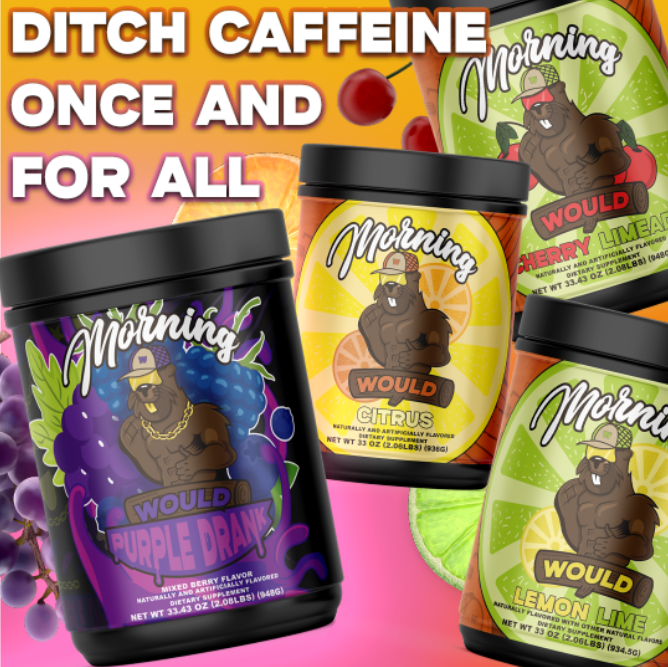
This is where Morning Would comes in. We cut through the confusion. We believe your recovery shouldn't force a trade-off between natural nutrition (found in foods) and precision replenishment (found in powders). We built Morning Would to offer the complete, performance-grade upgrade, giving you both the high concentrations you need without the unnecessary junk.
The Definition: What Are Electrolytes and Why Do They Matter?
The Definition: What Are Electrolytes and Why Do They Matter?
What are Electrolytes?
Electrolytes are essential minerals that carry an electric charge. They are absolutely crucial for keeping your body in top shape. The main players are sodium, potassium, calcium, and magnesium.
The Critical Role of Electrolytes
These charged minerals are vital to your bodily function:
-
They help maintain fluid balance inside and outside your cells.
-
They transmit nerve impulses.
-
They regulate muscle contractions (including your heartbeat).
Why are they crucial for high-performers? Even slight fluid losses can hold you back. Dehydration—and the resulting mineral imbalance—seriously impacts performance, affecting both your physical capabilities and your mental sharpness and decision-making skills. When you don't get enough, you risk muscle cramps, fatigue, and even confusion.

Market Comparison: Best for Everyday vs. Best for Performance
The choice between natural sources and powders depends on the intensity of your activity and your need for rapid replenishment15. Here is how the categories stack up against Morning Would:
Natural Food Sources (e.g., Bananas, Coconut Water)
|
Category |
Best For |
Benefits (The Reward) |
Risks (The Trade-Off) |
|
Natural Foods |
Everyday Hydration and supplementing a balanced diet |
Packed with fiber, antioxidants, and a treasure trove of additional nutrients. |
Difficult to consume enough to meet the high needs of intense training; mineral concentrations are lower. |
Key Natural Sources include Bananas (great potassium boost), Avocados (potassium and magnesium), Spinach, Sweet Potatoes, and Coconut Water (sodium, potassium, magnesium, perfect post-workout hydration).
Standard Electrolyte Powders
|
Category |
Best For |
Benefits (The Reward) |
Risks (The Trade-Off) |
|
Standard Powders |
Rapid Replenishment during intense exercise or extreme heat |
Convenience, portability, and higher electrolyte concentrations for immediate hydration. |
Nutritional gaps; many contain added sugars, artificial flavors, or chemical preservatives. |
Morning Would (The Complete Upgrade)
Best for Performance-Grade Hydration and Recovery.
Morning Would is built on the concept of blending the best of both worlds. You need the precision and concentration of a powder for rapid replacement, but you shouldn't have to sacrifice the "clean" ingredient profile of whole foods. We eliminate the artificial filler ingredients and excess sugar found in standard powders, providing clinically effective dosages of key minerals in a highly absorbable, clean formulation.

Deep Dive: Morning Would’s Complete Upgrade
The most effective hydration strategy involves prioritizing nutrient-dense foods for everyday health and relying on a clean, potent supplement like Morning Would during high-intensity activities.
When to Choose Morning Would
You should reach for a high-quality electrolyte blend when:
-
High-Intensity Exercise: When you are pushing your limits and require rapid fluid and mineral replacement to keep performance soaring.
-
Extended Activity/Heat: Athletes are particularly at risk for mineral deficiencies during intense training or competition in hot conditions.
-
Post-Illness Recovery: Mineral powders can speed up your recovery.
Morning Would's Brand Truths/Specs
Morning Would’s formulation is engineered for peak performance and recovery:
-
Sodium: 500mg (Essential for fluid retention and nerve impulse transmission)
-
Magnesium: 200mg (Bisglycinate form for high bioavailability, critical for muscle function and preventing cramping)
-
L-Citrulline: 9g (Supports enhanced blood flow and endurance)
-
Creatine: 5g (Aids in cellular energy production for strength and power)
-
Alpha GPC: 300mg (A cognitive booster to maintain mental sharpness and focus)
-
Calories: 5 (A low-calorie, performance-focused profile without unnecessary sugars)
We specifically utilize natural sweeteners and flavors to deliver clean taste without the blood-sugar spike associated with the excess added sugar found in many traditional sports drinks.
FAQ: Your Quick-Fire Questions Answered
Q: What can happen if I don’t get enough electrolytes?
A: Insufficient electrolyte intake can lead to noticeable issues like muscle cramps, persistent fatigue, and confusion, underscoring their significance for both daily health and athletic performance.
Q: Who is particularly at risk for electrolyte deficiencies?
A: Athletes are especially at risk for mineral deficiencies, particularly during intense training or competition in hot conditions. A staggering 58.2% of adolescent athletes start training dehydrated.
Q: How does dehydration affect athletic performance?
A: Dehydration can negatively impact both physical capabilities and mental sharpness, affecting decision-making skills and overall performance.
Q: What are the main signs of dehydration I should look out for?
A: You should watch for extreme thirst, dry mouth, headache, fatigue, and dizziness. These signals should prompt you to consider electrolyte supplementation.