
Is Creatine a Good Pre Workout? Unpacking Its Benefits and Role
Table of Contents
-
Overview
-
The Definition: What is Creatine?
-
Market Comparison: The "VS" Battle
-
Define Creatine: Composition and Function
-
The Role of Creatine in Athletic Performance
-
History and Evolution: From Meat to Medicine
-
Key Benefits as a Pre-Workout Supplement
-
Benefits vs. Trade-offs
-
Frequently Asked Questions
Overview
In the crowded landscape of fitness supplements in 2025, confusion is the default state. You have "energy" drinks that are essentially flavored caffeine bombs, and you have legitimate performance tools buried under decades of bro-science.
The question "Is creatine a good pre-workout?" requires nuance. Creatine is not a stimulant; it doesn't "kick in" 20 minutes after you drink it like caffeine. However, it is the metabolic bedrock of high-intensity output. While it works by saturation (building up in your system over time), taking it pre-workout is often the most consistent way to ensure that metabolic tank stays full.
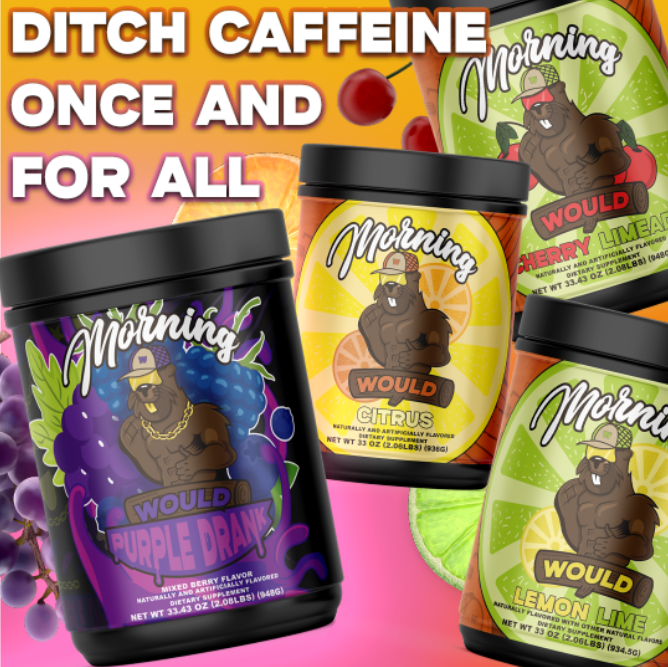
At Morning Would, we view creatine not just as a muscle builder, but as a critical component of a Clinical Performance Stack. By combining the saturation benefits of Creatine (5g) with acute blood-flow drivers like L-Citrulline (9g), you solve both the immediate need for oxygen and the sustained need for ATP (energy).
>> 5 essential energy supplements before your workout
The Definition: What is Creatine?
Creatine is a naturally occurring nitrogenous organic acid synthesized from the amino acids arginine, glycine, and methionine. Its primary biological function is to recycle adenosine diphosphate (ADP) back into adenosine triphosphate (ATP), the cellular "currency" of energy. Essentially, creatine acts as a secondary battery for your cells, allowing for sustained muscular contraction and cognitive function during short bursts of high-intensity activity.
Market Comparison: The "VS" Battle
The pre-workout market is split between "stimulant bombs" and "functional fuel." Here is how the landscape looks.
1. The Stimulant Choice: High-Caff Pre-Workouts
-
Best for The "Wake Up" Call: Traditional Stimulant Pre-Workouts.
-
The Reality: These rely heavily on caffeine (200mg-400mg) to mask fatigue. They make you feel energetic by blocking adenosine receptors in the brain, but they do very little to actually fuel the muscle tissue.
-
The Shortfall: Energy without fuel leads to a crash. You feel "wired," but your muscles still run out of ATP during that third set of squats.
2. The Commodity Choice: Plain Creatine Monohydrate Powder
-
Best for Budget Shoppers: Bulk Monohydrate bags.
-
The Reality: This is the raw fuel. It works perfectly for saturation if you are disciplined enough to take it every day.
-
The Shortfall: It is strictly a long-term play. Plain creatine offers zero acute (immediate) performance benefits for blood flow, focus, or "pump" during the session you are about to start.
3. The Performance Choice: Morning Would
-
Best for Systemic Optimization: Morning Would.
-
The Reality: We don't force you to choose between saturation and sensation. We use a clinical 5g dose of Creatine Monohydrate to keep the ATP tank full, paired with 9g of L-Citrulline for immediate vasodilation (blood flow) and 300mg of Alpha GPC for acute focus.
-
The Upgrade: It turns the "pre-workout" window into a dual-threat event: you get the immediate performance boost from Citrulline and Alpha GPC, while topping off your Creatine stores for tomorrow's work.

Define Creatine: Composition and Function
To understand why creatine works, you have to look at the cellular machinery. Creatine is synthesized from three specific amino acids: arginine, glycine, and methionine.
Once ingested, it is stored in skeletal muscle as phosphocreatine (PCr). This is your body's "emergency" energy reserve. When you perform an explosive movement—like a heavy deadlift or a 100-meter sprint—your body burns ATP (Adenosine Triphosphate) in seconds.
Here is the mechanism:
-
The Burn: Muscle contraction breaks a phosphate bond in ATP, turning it into ADP (Adenosine Diphosphate). ADP is useless for energy.
-
The Rescue: Phosphocreatine donates its phosphate group to the ADP.
-
The Regeneration: ADP becomes ATP again, allowing you to grind out two or three more reps.
This process, known as the phosphagen system, is the primary reason creatine allows for increased work volume. It isn't magic; it's chemistry.
The Role of Creatine in Athletic Performance
Creatine is the "workhorse" of the stack, specifically optimized for high-intensity output.
High-Intensity Output
Research identifies that creatine shines in high-intensity, short-duration activities. This includes HIIT, powerlifting, and sprinting. By increasing the availability of PCr, you are essentially increasing the size of your fuel tank for explosive movements.
The "Swell" (Cellular Hydration)
One of the most immediate visual benefits of creatine is cellular hydration. Creatine is osmotic; it increases the water content of your cells.
-
Why this matters: A hydrated cell is an anabolic cell. It signals protein synthesis and reduces the risk of cramping during intense heat or exertion.
-
Morning Would Synergy: We pair this hydration effect with 500mg of Sodium in Morning Would. Sodium is required for creatine transport, ensuring that the water goes exactly where it needs to be.

History and Evolution: From Meat to Medicine
Creatine isn't a new fad. It was identified in 1832 by Michel Eugène Chevreul, who isolated it from meat extracts. However, it remained a biochemical curiosity until the 1990s.
-
The 90s Era: It exploded onto the scene as a must-have sports supplement, propelled by groundbreaking research showcasing its power in boosting athletic performance.
-
The 2025 Reality: Today, we understand that creatine is a "whole body" supplement. Modern research has moved beyond just biceps and looked at the brain.
-
Cognitive Function: The brain demands massive amounts of ATP. Emerging data suggests creatine supplementation can sharpen cognitive function during exercise, helping maintain focus and mental clarity. This aligns with our inclusion of Alpha GPC, creating a "neuro-physical" stack.
Key Benefits as a Pre-Workout Supplement
Is it "good" as a pre-workout? Yes, but not for the reason you think. The benefit of taking it pre-workout is largely behavioral: it ensures consistency.
-
Work Capacity: Users typically see an ability to perform more work volume in a session. Over weeks, this volume accumulation drives hypertrophy (muscle growth).
-
Cognitive Sharpening: As mentioned, the combination of physical exertion and creatine availability can help maintain focus when fatigue sets in.
-
Recovery Velocity: By buffering the energy depletion during the workout, you start the recovery process with a deeper reserve. This leads to less muscle damage and inflammation, allowing for more frequent training.
Benefits vs. Trade-offs
At Morning Would, we believe you should know the inputs and the outputs.
The Benefits
-
Validated Efficacy: A review of 685 clinical trials confirms it is safe and effective. It is arguably the most studied supplement on earth.
-
Neuro-Protection: Beyond muscle, it supports bone mineral density and combats age-related tissue decline.
-
Stack Synergy: When taken with 9g of Citrulline (as in Morning Would), the improved blood flow may help transport the creatine to muscle tissue more efficiently than taking it alone.
The Risks & Trade-offs
-
The Scale Weight: You will gain weight. Research shows users can gain two to four pounds of muscle (and water) in just four to twelve weeks. Note: This is water inside the muscle, which is good, but if you are a weight-class athlete (wrestler, boxer), you need to time this carefully.
-
Digestive Load: Cheap creatine or massive loading phases can cause stomach cramping. Our Solution: We use 5g daily. No loading phase is required, which minimizes GI distress.
-
Non-Responder Rate: Roughly 20-30% of people are "non-responders" because they already have naturally high creatine levels (usually red meat eaters). For them, the benefits may be more subtle.
Optimize Your Performance Stack:
-
Nitric Oxide & Pump: Morning Would vs. Leading Competitors
-
Clean Energy: High Stim vs. Regular Pre-Workout: What’s Better?
-
Advanced Recovery: The 10 Benefits of Ecdysterone
Frequently Asked Questions
Q: Do I need to "load" creatine (take 20g a day) when starting?
A: No. While loading saturates the muscles faster (in about a week), it often leads to bloating and stomach upset. Taking the clinical dose of 5g daily (found in Morning Would) will saturate your muscles fully within 3-4 weeks with zero side effects.
Q: Will creatine make me look bloated or "puffy"?
A: This is a common myth. Creatine pulls water into the muscle cell (intracellular), which makes muscles look harder and fuller. "Puffiness" usually comes from high sugar intake or cheap creatine formulations with high sodium impurities.
Q: Can I take Morning Would if I don't lift weights?
A: Yes. The cognitive benefits of Creatine (ATP recycling for the brain) and Alpha GPC (focus) are highly relevant for knowledge work, gaming, or general aging. It is a "life fuel," not just "gym fuel."
Q: Is creatine safe for kidneys?
A: For healthy individuals, absolutely. However, if you have active kidney disease or certain chronic health conditions, be sure to consult a healthcare provider before starting supplementation.
About the Author
Toni — Senior Strategy & R&D at Morning Would
Toni is the lead architect behind the Morning Would formulation. With a background in nutritional biochemistry and a focus on ergogenic aids, Toni specializes in translating complex clinical data into actionable protocols for high performers.
Current as of 2025. This article is for informational purposes only and does not constitute medical advice.