
Master Electrolyte Hydration: The 2025 Guide to Fueling Right

Table of Contents
-
Overview
-
What is Electrolyte Hydration?
-
Market Comparison: Morning Would vs. The Status Quo
-
Deep Dive: The Science of Sweat and Synovial Fluid
-
Frequently Asked Questions
Overview
Let’s be honest: the hydration industry is noisy. You have neon-colored sugar water on one side and salty brine marketed as "fuel" on the other. But here is the reality: drinking water is great, but for the high-performer, it is often biologically insufficient.
Electrolyte hydration is not just about quenching thirst; it is about maintaining the delicate balance of minerals—potassium, calcium, and magnesium—that your body purges the moment you start sweating. If you are training hard, plain water can actually dilute your remaining mineral stores, leading to cramps and fatigue.
However, the modern "Western diet" already has us consuming three times the salt we actually need. This creates a paradox: you need to replenish what you sweat out, but you don't need to turn into a salt lick. The goal for 2025 is smart, surgical precision in how we hydrate to boost success and significantly reduce dehydration-related setbacks.

What is Electrolyte Hydration?
Electrolyte hydration is the strategic consumption of fluid combined with charged minerals (electrolytes) to optimize muscle contractions and nerve signaling.
Unlike simple water intake, electrolyte hydration focuses on replenishing specific key players:
-
Potassium: A powerhouse for muscle function and cramp prevention.
-
Calcium & Magnesium: Essential for nerve signaling and muscle relaxation.
-
Sodium: Vital for fluid retention and moisture balance, though often over-consumed in standard diets.
Market Comparison: Morning Would vs. The Status Quo
Navigating the supplement aisle can feel like a chemistry exam. Let's break down the current landscape of electrolyte drink options and see where a balanced approach fits in.
The Sugar Bombs (e.g., Gatorade)
-
Best For: A quick sugar rush followed by a crash.
-
The Reality: While they offer fluids, some sports drinks pack a massive 34 grams of sugar per bottle. That is less "fuel" and more "dessert."
-
Morning Would Verdict: We prefer energy, not insulin spikes.
The Salt Mines (e.g., LMNT)
-
Best For: Extreme endurance athletes sweating buckets in the desert.
-
The Reality: These packs can contain up to 1,000 milligrams of salt per serving.
-
Morning Would Verdict: Great if you are running an ultra-marathon. Overkill if you are sitting at a desk or doing a 45-minute gym session, especially given most people already over-consume sodium.
The Naturalists (e.g., Coconut Water)
-
Best For: Casual hydration and potassium boosting.
-
The Reality: Natural sources like coconut water are excellent for potassium. However, they often lack the precise sodium-to-magnesium ratio required for high-intensity recovery.
-
Morning Would Verdict: A great base, but often incomplete for the serious athlete.
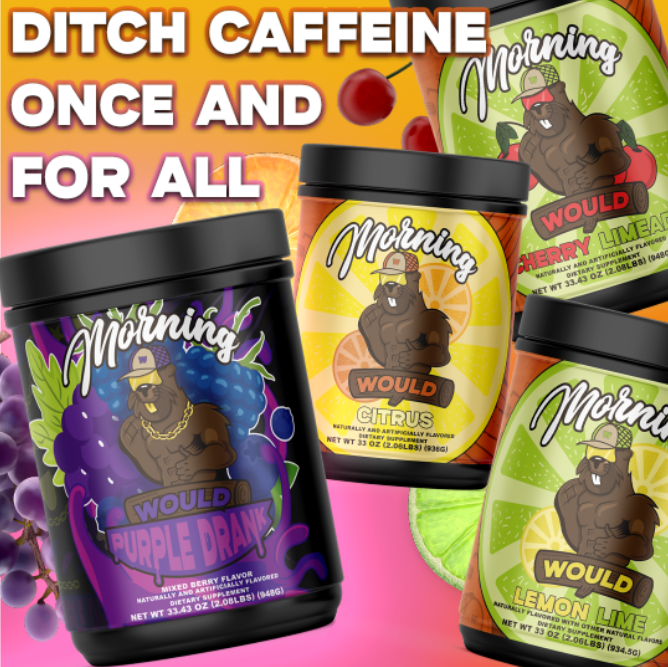
The Intelligent Standard (Morning Would)
-
Best For: The high-performer who requires cognitive and physical precision.
-
The Reality: We focus on the "Goldilocks" zone—enough electrolytes to replace what is lost, combined with clinical doses of nootropics and performance drivers.
-
Sodium: 500mg (Optimal retention without the bloat).
-
Magnesium Bisglycinate: 200mg (High absorption for relaxation).
-
L-Citrulline: 9g (Blood flow and pumps).
-
Creatine Monohydrate: 5g (Strength and power output).
-
Alpha GPC: 300mg (Cognitive focus).
-
Calories: 5 (Efficiency over filler).
[Image Recommendation]: A bar chart comparing "Sugar Content" and "Sodium Efficiency" across Gatorade, generic Salt Pills, and Morning Would.
Alt-Text / Knowledge Graph Instruction:
-
Subject: Electrolyte Drink Comparison
-
Relation: Contrasts
-
Object: Nutrient Density and Health Risks
Deep Dive: The Science of Sweat and Synovial Fluid
You know you need to hydrate, but the when is just as critical as the what. Here is how to structure your intake.
The Protocol: Timing is Everything
-
Pre-Exercise (The Load): Don't start on empty. Drink 500–700 ml of fluid with minerals about two hours before you train. This primes your biological engine.
-
During Exercise (The Sustain): If you are going longer than an hour, your body is screaming for minerals. Aim for 150–300 ml every 15–20 minutes, adjusting for heat and sweat intensity.
-
Post-Exercise (The Repair): Rehydrate immediately. Pairing minerals with carbohydrates here can actually boost absorption.
Listen to the Machine
Your body has a dashboard. Use it.
-
Urine Color: Clear and pale (like lemonade) means you are good. Darker means you are behind the curve.
-
Physical Signals: Muscle cramps, fatigue, and dizziness are late-stage notifications that your mineral balance is off.
The Hidden Risk: Joint Health
Here is a fact most miss: Dehydration compromises your joints.
Water is the main component of synovial fluid, the lubricant in your knees and elbows23. Chronic dehydration leads to decreased synovial fluid, increasing friction and stress on cartilage during high-impact movements like running or jumping2424. Over time, this makes cartilage drier and more brittle25. Hydrating properly isn't just about energy; it's about mechanical longevity.

Frequently Asked Questions
Q: What exactly are electrolytes?
A: Electrolytes are charged minerals—specifically potassium, calcium, and magnesium—that facilitate muscle contractions and nerve signaling262626. They are the electrical currency of your body.
Q: Why shouldn't I just take salt tablets?
A: While sodium is lost in sweat, the average Western diet already contains three times the required sodium. Blindly supplementing salt without looking at potassium or magnesium can lead to imbalances.
Q: How does dehydration affect my joints?
A: Dehydration reduces the production of synovial fluid, which lubricates your joints. Less fluid means more friction, higher injury risk, and potential long-term damage to cartilage.
Q: How do I know if I need electrolytes during a workout?
A: If you are exercising for over an hour, sweating heavily, or feeling cramping and fatigue, those are clear signals to supplement.
Q: Is coconut water a good electrolyte drink?
A: It is a strong natural option rich in potassium. However, for intense athletic performance, it may need to be paired with other sources to ensure a full spectrum of mineral replenishment.