
What is HMB Calcium? Importance, Origins, and Mechanisms Explained (2025 Guide)
Table of Contents
-
Overview: The Metabolic Balance
-
What is HMB Calcium?
-
Market Comparison: The Builder vs. The Protector
-
Deep Dive: The Science of HMB Calcium
-
Benefits, Risks, and Trade-offs
-
Frequently Asked Questions
-
About the Author
Overview: The Metabolic Balance
If you have spent any time in the supplement world, you know it is noisy. Every other month, a new powder promises to transform your physique overnight. Most of it is fluff. But HMB Calcium is different—it is not a new fad; it is a physiological protocol that has been refined for decades.
Here is the reality: your body is constantly oscillating between building muscle (anabolism) and breaking it down (catabolism). Most people focus entirely on building, ignoring the fact that they are losing ground through breakdown. Whether you are an athlete pushing your limits or an adult fighting age-related muscle loss, the problem is the same: protein degradation.
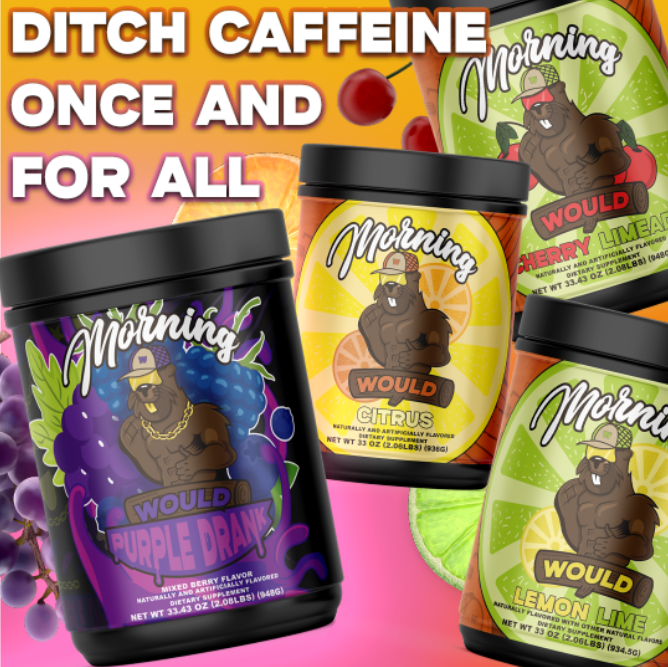
HMB Calcium acts as the buffer. It does not just fuel the engine; it maintains the structural integrity of the chassis. While foundational supplements like the Creatine found in Morning Would drive power and output, HMB serves a distinct role in retention. In this guide, we will cut through the academic jargon and explain exactly why this specific metabolite is a critical component of a modern performance stack.
What is HMB Calcium?
HMB Calcium (Calcium Beta-Hydroxy-Beta-Methylbutyrate) is a stabilized form of HMB, a metabolite naturally produced when your body breaks down the amino acid Leucine.
Think of it as the distilled signal for muscle preservation. While Leucine triggers muscle growth, HMB is the specific chemical messenger that tells your body to halt the destruction of muscle tissue. Binding it to calcium improves its stability, bioavailability, and shelf-life, making it the preferred form for supplementation.

Market Comparison: The Builder vs. The Protector
To understand where HMB fits in a high-performance regimen, we must distinguish it from other anabolic agents. It is not a replacement for your current stack; it is a specialized tool.
1. The Precursor: Leucine
-
The Pitch: Leucine is the primary BCAA responsible for stimulating protein synthesis. It is the ignition switch for muscle growth.
-
The Reality: While Leucine starts the process, only about 5% of it naturally converts to HMB. You would need to consume over 60 grams of Leucine—an impractical amount of protein powder—to obtain the clinical 3-gram dose of HMB.
-
The Verdict: Relying on Leucine alone for HMB benefits is biologically inefficient.
2. The Engine: Creatine Monohydrate (Found in Morning Would)
-
The Pitch: The undisputed king of power output. Creatine recycles ATP (energy) for explosive lifts and sprints.
-
The Reality: Creatine builds the engine. It helps you lift heavier and think clearer, which is why Morning Would includes a full 5g dose. However, Creatine primarily drives performance rather than inhibiting catabolism during caloric deficits.
-
The Verdict: Essential for power and growth, but functions differently than HMB.
3. The Buffer: HMB Calcium
-
The Pitch: The insurance policy for your gains.
-
The Reality: HMB Calcium is specifically designed to inhibit the ubiquitin-proteasome pathway, the system responsible for tearing down muscle tissue. It is the superior choice for individuals training in a calorie deficit, performing fasted cardio, or recovering from injury.
-
The Verdict: The ideal complement to a Creatine-based stack like Morning Would. Creatine drives the work; HMB protects the result.

Deep Dive: The Science of HMB Calcium
Why consider HMB Calcium specifically? It comes down to mechanism and stability.
1. The Dual-Action Mechanism
Most supplements perform a single function. HMB performs two essential tasks simultaneously:
-
Stimulates mTOR: This is the growth regulator in your cells. Like Leucine, HMB activates this pathway to initiate protein synthesis.
-
Inhibits the Ubiquitin-Proteasome System: This is the catabolic machinery of the cell. HMB actively blocks this pathway, preventing your body from breaking down its own muscle tissue for energy.
2. The Calcium Advantage
You might encounter "HMB Free Acid" marketed as faster-absorbing, but stability is crucial.
-
Stability: HMB Calcium is far more stable and palatable than the free acid form, which is often noted for its harsh taste.
-
Bioavailability: While free acid absorbs slightly faster, HMB Calcium provides a steady, sustained release that is effective for maintaining plasma levels throughout the day.
-
Bone Support: The calcium bond provides a functional dose of elemental calcium, supporting bone density alongside muscle health—a critical synergy for aging athletes.
3. The 2025 Relevance
Recent meta-analyses have solidified HMB's role in longevity. It is no longer just for bodybuilders. Studies show significant improvements in handgrip strength and gait speed in older adults, proving it preserves functional independence, not just aesthetic muscle.
Benefits, Risks, and Trade-offs
The Benefits
-
Anti-Catabolic Buffer: Prevents muscle loss during fasting, intense training, or caloric deficits.
-
Accelerated Recovery: Reduces markers of muscle damage, such as creatine kinase, allowing for higher training frequency.
-
Functional Longevity: Clinically proven to improve muscle quality and physical function in aging populations, combating sarcopenia.
The Risks & Trade-offs
-
Dosage Dependency: To observe clinical results, you need a dose of 3 grams per day. Many generic blends under-dose this ingredient, so verification is key.
-
Not a Miracle Bulker: HMB excels at protection. It will not produce massive hypertrophy if you are not training with intensity. It helps you keep what you earn, but you still have to earn it.
-
Cost: Quality HMB Calcium is more expensive to produce than standard amino acids, making it a premium addition to a regimen.
Ready to see how HMB fits into a complete routine? Check out our full guide to the Morning Would ingredients.
Frequently Asked Questions
Q: Can I get enough HMB from high-protein food?
A: Theoretically, yes, but practically, no. You would need to consume over 600 grams of high-quality protein (equivalent to roughly 60 eggs) every single day to obtain 3 grams of HMB naturally. Supplementation is the only realistic method to hit the clinical dose.
Q: Is HMB safe for older adults?
A: Yes. In fact, it is highly recommended. 2025 research specifically highlights HMB as an effective intervention for age-related muscle loss, improving strength and mobility without significant side effects.
Q: Should I take HMB on rest days?
A: Yes. Muscle repair is a continuous process. Taking HMB daily ensures steady blood levels to constantly inhibit protein breakdown and support recovery, even when you are not in the gym.
Q: Does HMB work well with Morning Would?
A: Yes. HMB stacks perfectly with the Creatine (5g) and L-Citrulline (9g) found in Morning Would. While Morning Would fuels performance and blood flow, adding HMB can provide an extra layer of muscle protection during intense training phases.
About the Author
The Morning Would Performance Team
Performance Strategy & Research Division
This guide was compiled by the Morning Would research team, leveraging the latest 2025 clinical data on metabolite supplementation. We are obsessed with biological leverage—finding the small inputs that create massive outputs in human performance. Our formulations, like the core Morning Would stack (Sodium, Magnesium, Creatine, L-Citrulline, Alpha GPC), are built on hard science to ensure you get the most efficient tools for your physical and cognitive optimization.
Disclaimer: The information provided here is for educational purposes and based on current 2025 research. It does not constitute medical advice. Always consult a healthcare professional before beginning a new supplementation protocol.